Guitar & Bass Tabs
Joe Walsh
Learn Joe Walsh's Guitar & Bass Style
Discover how Joe Walsh developed their signature guitar and bass sound, the techniques you'll encounter in their music, and the best lessons to begin your learning journey.
Joe Walsh's career began in the late 1960s when he formed the James Gang in Cleveland, a blues-rock outfit that fused gritty riffs with accessible melodies. The band's breakthrough came with tracks like Funk #49 and Walk Away, which showcased Walsh's knack for crafting memorable guitar lines that swung between swagger and sensitivity. The James Gang's touring energy and fearless experimentation helped push guitar-driven rock into bigger arenas and set the stage for Walsh's later success.
In the mid-1970s Walsh joined the Eagles, bringing a bluesy bite and dynamic soloing to a band already renowned for its lush harmonies. His presence helped shape the Eagles' late-70s evolution, while his own solo material—most famously Life's Been Good and Rocky Mountain Way—demonstrated a blend of humor, technical finesse, and fearless tone. Across James Gang records, his solo albums, and his Eagles tenure, Walsh left an indelible mark on rock guitar, influencing countless players with his ability to fuse earthy blues, catchy hooks, and unapologetic showmanship.
Walsh's impact extends beyond hit records: he helped expand the scope of arena rock with virtuosic yet approachable playing, contributed to one of the era's most enduring guitar sounds, and remains a touchstone for students of blues-inflected rock guitar. His work across bands and solo projects earned him a lasting place in rock history, including his role in shaping the sound that defined a generation of players.
🎸 Want to know what gear Joe Walsh used, their playing style, and fun facts? Scroll below the lessons!
Watch the Lesson

Rocky Mountain Way
Joe Walsh

Life's Been Good
Joe Walsh
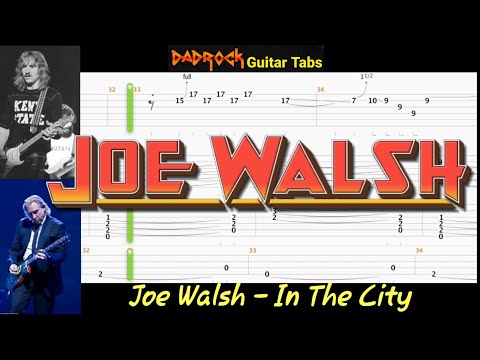
In The City
Joe Walsh
Playing Style
Joe Walsh's playing blends blues-based phrasing with infectious melodic hooks and a strong sense of groove. He favors blues scales and careful bending, often layering crisp rhythm guitar with singable lead lines. His solos showcase a confident, conversational approach—tight sense of time, tasteful note choice, and expressive dynamics that rise from laid-back to explosive. A signature moment is his use of a talk box on Rocky Mountain Way, which gives a vocal-like edge to the tone and demonstrates his willingness to experiment with texture. Overall, Walsh's sound sits at the crossroads of blues, country-influenced phrasing, and hard-rock bite, making his riffs instantly recognizable yet deeply musical.
🎸 Gear & Equipment
Walsh is associated with versatile gear and a dynamic live rig. He famously used a talk box on Rocky Mountain Way, creating the distinctive vocal-like guitar effect that defines the track. In terms of guitars, Walsh has been seen with Stratocaster- and Telecaster-style instruments as well as Gibson-style axes, reflecting his broad palette. His tone has been driven by powerful tube amps, with a preference for punchy, mid-forward sounds that work well in both clean and overdriven settings. To sculpt his blues-rock timbre, he employs pedals such as wah, fuzz, overdrive, tremolo, and delay to taste, allowing him to travel from crisp rhythm tones to soaring, expressive solos.
Why Learn Joe Walsh Songs?
Learning Joe Walsh songs offers a focused path into classic rock guitar that balances technique and musicality. Students develop blues-based phrasing, accurate bends, dynamic rhythm playing, and the art of crafting memorable hooks around a driving groove. The repertoire grows from riff-driven tracks like In the City to more expansive solos in Rocky Mountain Way and the storytelling surface of Life's Been Good, providing a well-rounded challenge. These pieces build a solid rock foundation: solid timing, control over dynamics, clean rhythm comping, tasteful use of effects, and the confidence to improvise within a melodic framework.
Did You Know?
- 1Joe Walsh formed the James Gang in Cleveland in 1966, launching his long-running guitarist career.
- 2He joined the Eagles in 1975 and helped define their late 70s sound with his distinctive guitar voice.
- 3Rocky Mountain Way features one of rock's most celebrated talk box guitar effects.
- 4Life's Been Good offers a tongue-in-cheek, autobiographical portrait of rock stardom that became his signature solo track.
3 Joe Walsh lesson(s) available — Start learning today!
Learn to Play Joe Walsh Guitar
Explore Joe Walsh guitar and bass lessons with a focus on riffs, rhythm parts, classic rock techniques, and practice-friendly video lessons.
Start Here
Begin with the most recognizable riffs and rhythm parts before moving into harder songs.
Techniques
Practice power chords, timing, picking control, bends, vibrato, and classic rock phrasing.
Next Step
Use the lessons below to build a practice path from easier songs to more advanced parts.
Similar Artists to Joe Walsh
If you're learning Joe Walsh on guitar or bass, these related artists use similar riffs, tunings, playing styles, and classic rock techniques.