Guitar & Bass Tabs
Motley Crue
Learn Motley Crue's Guitar & Bass Style
Discover how Motley Crue developed their signature guitar and bass sound, the techniques you'll encounter in their music, and the best lessons to begin your learning journey.
Motley Crue exploded onto the Los Angeles scene in 1981, formed by bassist Nikki Sixx, drummer Tommy Lee, guitarist Mick Mars, and vocalist Vince Neil. They cut their teeth on the Sunset Strip and released Too Fast for Love in 1981, a raw, street-level blend of blues-based riffs and swagger that set the template for glam metal. By the time Shout at the Devil arrived in 1983, the band had cultivated a combustible live show and a fearlessly theatrical image that would define the era.
Over the next decade, Motley Crue cemented their place in rock history with a string of platinum albums. Girls, Girls, Girls (1987) and Dr. Feelgood (1989) solidified their commercial peak, with Dr. Feelgood reaching No. 1 on the Billboard 200 and producing anthems that still echo in arenas today. With over 100 million records sold worldwide, their swagger, hooks, and relentless energy helped shape the sound of late 80s hard rock and left a lasting imprint on pop culture.
Long after their studio gold, Motley Crue's influence persists as one of rock's quintessential live acts. Their music—tightly wound riffs, big singalong choruses, and fearless stage theatrics—continues to inspire new players. DadRock Tabs currently offers 59 Motley Crue lessons, guiding you through their most iconic riffs, grooves, and solos so you can capture the band's high-energy spirit on guitar.
🎸 Want to know what gear Motley Crue used, their playing style, and fun facts? Scroll below the lessons!
Watch the Lesson
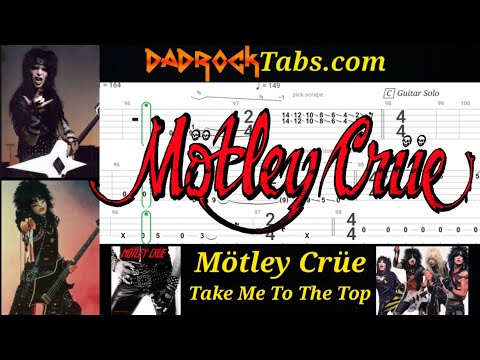
Take Me To The Top
Motley Crue

Merry Go Round
Motley Crue

Public Enemy #1
Motley Crue
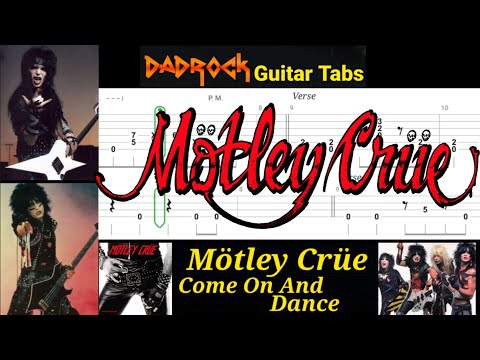
Come On And Dance
Motley Crue

Live Wire
Motley Crue
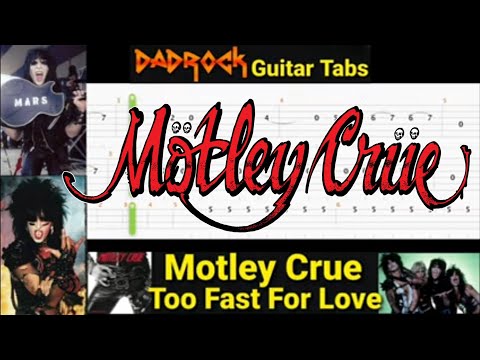
Too Fast For Love
Motley Crue

Sticky Sweet
Motley Crue

Kickstart My Heart
Motley Crue

On With The Show
Motley Crue

Looks That Kill
Motley Crue

Ten Seconds To Love
Motley Crue

Girls Girls Girls
Motley Crue
Without You
Motley Crue

Wild Side
Motley Crue

Dr. Feelgood
Motley Crue

Starry Eyes
Motley Crue
Live Wire
Motley Crue

Shout At The Devil
Motley Crue

Bastard
Motley Crue

Helter Skelter
Motley Crue

Knock Em Dead Kid
Motley Crue

Too Young To Fall In Love
Motley Crue

Danger
Motley Crue

Smokin In The Boys Room
Motley Crue
Louder Than Hell
Motley Crue

Home Sweet Home
Motley Crue

Primal Scream
Motley Crue

Use It Or Lose It
Motley Crue

Raise Your Hands To Rock
Motley Crue

Fight For Your Rights
Motley Crue

Afraid
Motley Crue

Dancing On Glass
Motley Crue

You're All I Need
Motley Crue

Rattlesnake Shake
Motley Crue
She Goes Down
Motley Crue

Power To The Music
Motley Crue

Hooligan's Holiday
Motley Crue

Hammered
Motley Crue

Welcome To The Numb
Motley Crue

Smoke The Sky
Motley Crue

God Bless The Children Of The Beast
Motley Crue
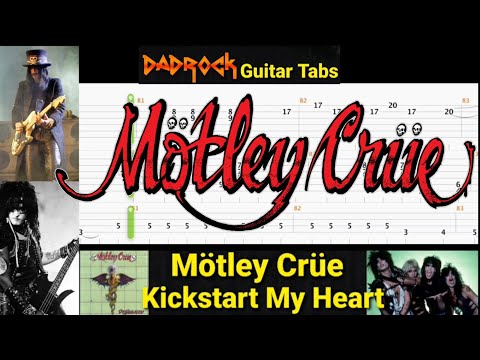
Kickstart My Heart
Motley Crue

Wild Side
Motley Crue

Looks That Kill
Motley Crue

Red Hot
Motley Crue
Playing Style
Motley Crue's playing style centers on hard-hitting, blues-inflected rhythm guitar and lockstep bass grooves. Mick Mars delivers thick, down-tuned rhythm parts with palm-muted power chords and aggressive, mid-range crunch that sits behind Vince Neil's vocal melodies and Tommy Lee's drums. The band's sound leans on simple, memorable riffs and driving tempos, with occasional string bends and tasteful lead licks that punctuate choruses. Learning their material helps players develop tight groove, precise picking, and the ability to lock with a drummer—core skills for any rock guitarist.
🎸 Gear & Equipment
Iconic gear associated with Motley Crue includes heavy rhythm guitars played through high-gain tube amps for that thick, saturated crunch, plus a bass rig that delivers a hard, punchy low end. In the studio and on stage, chorus and flange effects are often used to widen the guitar tone, with distortion and delay added to lift riffs and solos. Mick Mars's look and tone — down-tuned, chunky riffs — became a hallmark of the era, while Nikki Sixx's bass tone anchored each track, and Tommy Lee's explosive drum sound completed the wall of sound that defined their live energy.
Why Learn Motley Crue Songs?
Why learn Motley Crue songs? They deliver high-energy, rhythm-forward material that builds solid rock fundamentals. Expect to work on power chords, palm muting, string bending, and clean alternate picking across tight, tempo-driven grooves. The tracks range from accessible riffs to more challenging leads, making them excellent for developing speed, accuracy, and dynamics at a pace that matches early-intermediate players. With 59 lessons on DadRock Tabs, you can steadily master iconic songs—driving rhythms, memorable hooks, and stage-ready phrasing—that translate into real-world rock playing and live performance confidence.
Did You Know?
- 1Formed in 1981 on the Los Angeles Sunset Strip with Vince Neil, Nikki Sixx, Mick Mars, and Tommy Lee.
- 2Dr. Feelgood (1989) hit No. 1 on the Billboard 200 and remains their best-selling album.
- 3Kickstart My Heart drew inspiration from Nikki Sixx's near-fatal overdose in 1987.
- 4Motley Crue's over-the-top live shows helped define the glam-metal era and influenced countless bands.
45 Motley Crue lesson(s) available — Start learning today!
Learn to Play Motley Crue Guitar
Explore Motley Crue guitar and bass lessons with a focus on riffs, rhythm parts, classic rock techniques, and practice-friendly video lessons.
Start Here
Begin with the most recognizable riffs and rhythm parts before moving into harder songs.
Techniques
Practice power chords, timing, picking control, bends, vibrato, and classic rock phrasing.
Next Step
Use the lessons below to build a practice path from easier songs to more advanced parts.
Similar Artists to Motley Crue
If you're learning Motley Crue on guitar or bass, these related artists use similar riffs, tunings, playing styles, and classic rock techniques.